Himachal Pradesh, a popular tourist destination known for its scenic beauty and serene mountains, has recently been grappling with the severe impact of relentless monsoon rains. The monsoon fury has led to widespread destruction, including landslides, flash floods, and significant damage to infrastructure. This blog post provides essential information for travelers planning to visit Himachal Pradesh, covering the current situation, road statuses, and crucial safety measures to ensure a safe journey.
The Devastating Impact of Monsoon Rains
The monsoon season in Himachal Pradesh has been exceptionally harsh this year, resulting in an unprecedented level of damage and loss. According to recent reports, the state has experienced an average rainfall of 943.2 mm from June 1 to September 6, which is a 46 percent excess compared to the normal rainfall of 648.1 mm. This heavy rainfall has caused numerous incidents, including the disruption of 1,181 power lines, damage to 820 roads, and significant losses to water supply schemes. The human toll has also been tragic, with the monsoon claiming 366 lives, including 203 fatalities directly linked to rain-related incidents such as landslides and flash floods. The economic losses are substantial, with the state facing an estimated ₹4,079 crore in damages.
Road Status Updates and Travel Advisories
The heavy rainfall has severely impacted road connectivity across Himachal Pradesh. As of recent reports, 822 roads have been closed, including three national highways, due to landslides and flash floods. Key routes like the Manali-Chandigarh and Manali-Delhi routes have experienced disruptions. Travelers are strongly advised to check real-time road status updates before embarking on their journey. Official sources like the Himachal Pradesh Public Works Department (HPPWD) and the Himachal Pradesh State Disaster Management Authority (HPSDMA) provide regular updates.
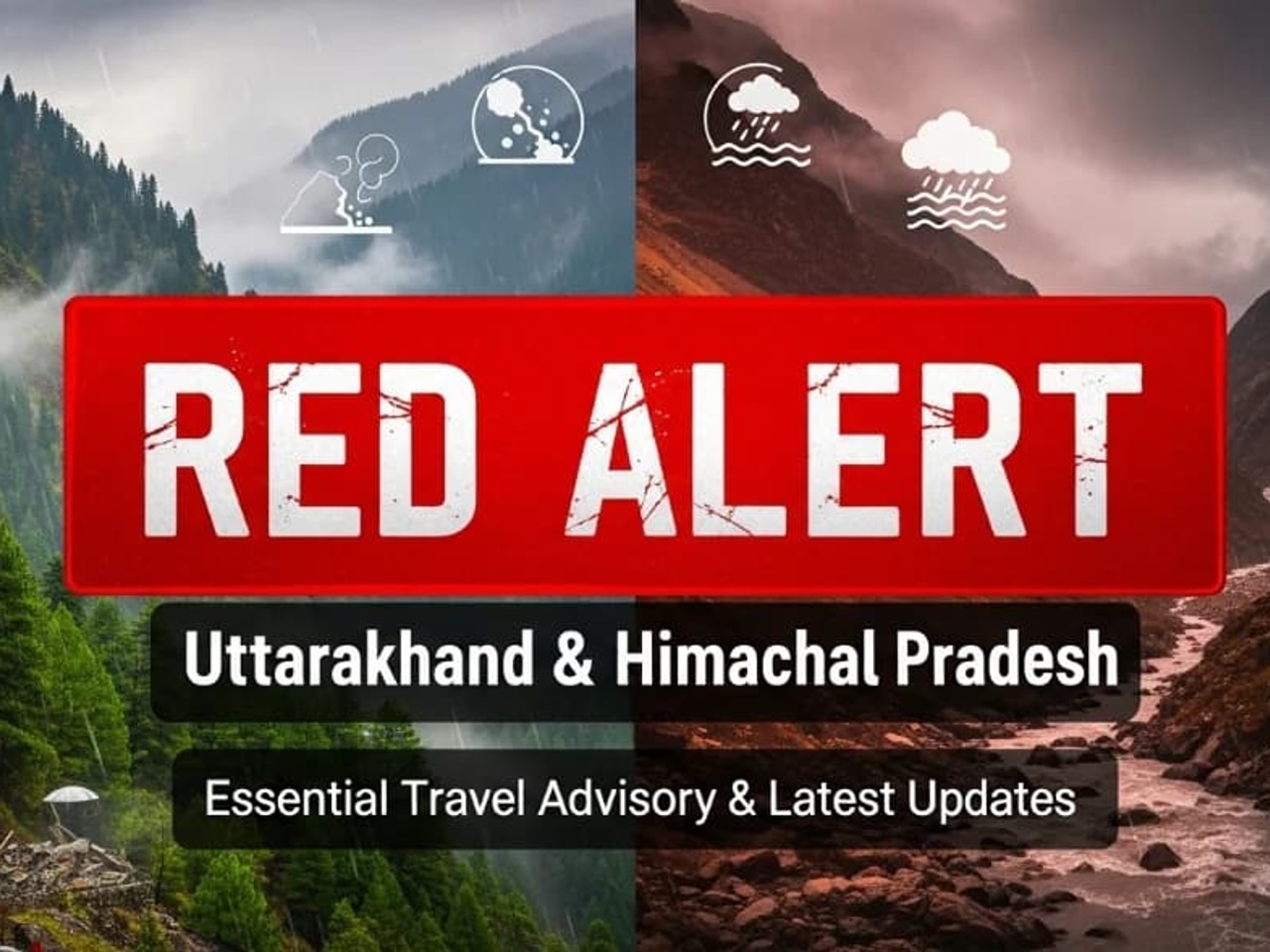
It is crucial for tourists to exercise extreme caution and reconsider non-essential travel to affected areas. The India Meteorological Department (IMD) has issued red alerts for heavy rainfall in several parts of Himachal Pradesh, particularly in districts like Dharamsala, Kullu, and Kangra.
Safety Measures for Travelers
- Stay Informed: Continuously monitor weather forecasts and official travel advisories from government sources. Avoid relying on unverified information.
- Avoid Risky Areas: Steer clear of areas prone to landslides, flash floods, and rockfalls. These include riverbanks, steep slopes, and low-lying regions.
- Check Road Conditions: Before starting your journey, verify the status of your intended route. Websites like himachalroadstatus.com and official government portals can provide valuable real-time information.
- Travel During Daylight: If travel is unavoidable, plan your journey during daylight hours when visibility is better and help is more readily available in case of an emergency.
- Carry Essentials: Pack an emergency kit including first-aid supplies, dry food, water, power banks, and warm clothing. Keep important documents in waterproof bags.
- Follow Local Authorities: Always comply with instructions from local police, disaster management authorities, and traffic officials. They are best equipped to guide you through safe routes.
- Emergency Contacts: Keep a list of emergency contact numbers handy, including State Emergency Operation Centre (1070), Police (100), Fire (101), and District Emergency Operation Centres (1077).
Official Advisories and Government Resources
The Himachal Pradesh State Disaster Management Authority (HPSDMA) is the primary government body responsible for issuing advisories and managing disaster response. Their official website (hpsdma.nic.in) provides notifications, reports, and emergency contact information. Travelers should regularly check the 'Notifications' section for the latest updates on natural calamities and safety guidelines. The Himachal Pradesh Tourism Department also issues advisories relevant to tourists.
Conclusion
While Himachal Pradesh remains a breathtaking destination, the current monsoon season presents significant challenges for travelers. Prioritizing safety, staying informed through official channels, and exercising caution are essential for a secure journey. By following these guidelines, travelers can minimize risks and contribute to their own safety and the safety of others.