Monsoon season in India, while bringing much-needed relief from the summer heat and transforming landscapes into lush green vistas, also presents unique challenges for travelers. Heavy rainfall can lead to floods, landslides, and disruptions in transportation. This comprehensive guide outlines essential safety measures and precautions for traveling in India during the monsoon, ensuring a safer and more enjoyable experience.
Understanding the Monsoon Environment in India
India experiences varying intensities of monsoon across different regions. While some areas receive moderate rainfall, others, particularly the Himalayan states and coastal regions, are prone to heavy downpours, leading to severe conditions. The primary risks associated with monsoon travel include:
- Road Blockages: Landslides, especially in hilly terrains, and waterlogging in plains can cause significant road closures and delays.
- Flash Floods: Sudden and intense rainfall can lead to rapid flooding, posing risks to life and property.
- Health Risks: Increased humidity and stagnant water can lead to waterborne diseases and mosquito-borne illnesses.
- Reduced Visibility: Heavy rain and fog can severely impair visibility, making driving hazardous.
Essential Safety Measures for Monsoon Travel
To mitigate risks and ensure a safe journey, consider the following precautions:
- Stay Informed and Plan Ahead:
- Monitor Weather Forecasts: Before and during your trip, regularly check weather updates from reliable sources like the India Meteorological Department (IMD).
- Check Travel Advisories: Consult official government travel advisories and local news for information on affected areas and road conditions. Websites of state disaster management authorities (e.g., Himachal Pradesh State Disaster Management Authority) are excellent resources.
- Flexible Itinerary: Be prepared for delays and have alternative plans. Avoid rigid schedules.
- Transportation and Road Safety:
- Avoid Self-Driving in Hilly Areas: If possible, opt for experienced local drivers or public transport, as they are more familiar with the terrain and monsoon challenges.
- Verify Road Conditions: Before starting your journey, especially for long distances, confirm the status of your route. Websites like himachalroadstatus.com (for Himachal Pradesh) can be helpful.
- Drive Cautiously: If driving, maintain a safe distance from other vehicles, use headlights, and avoid speeding. Be wary of slippery roads and potholes.
- Avoid Waterlogged Areas: Do not attempt to drive or walk through waterlogged streets, as the depth and underlying hazards may be unknown.
- Health and Hygiene:
- Drink Bottled Water: Stick to sealed bottled water or water from trusted sources to prevent waterborne diseases.
- Eat Cooked Food: Consume freshly cooked, hot food. Avoid raw salads, street food, and cut fruits.
- Mosquito Protection: Use mosquito repellents, wear full-sleeved clothing, and sleep under mosquito nets, especially in areas prone to mosquito-borne diseases like dengue and malaria.
- Carry Medications: Pack essential medicines, including those for fever, cold, and stomach upsets.
- Packing Essentials:
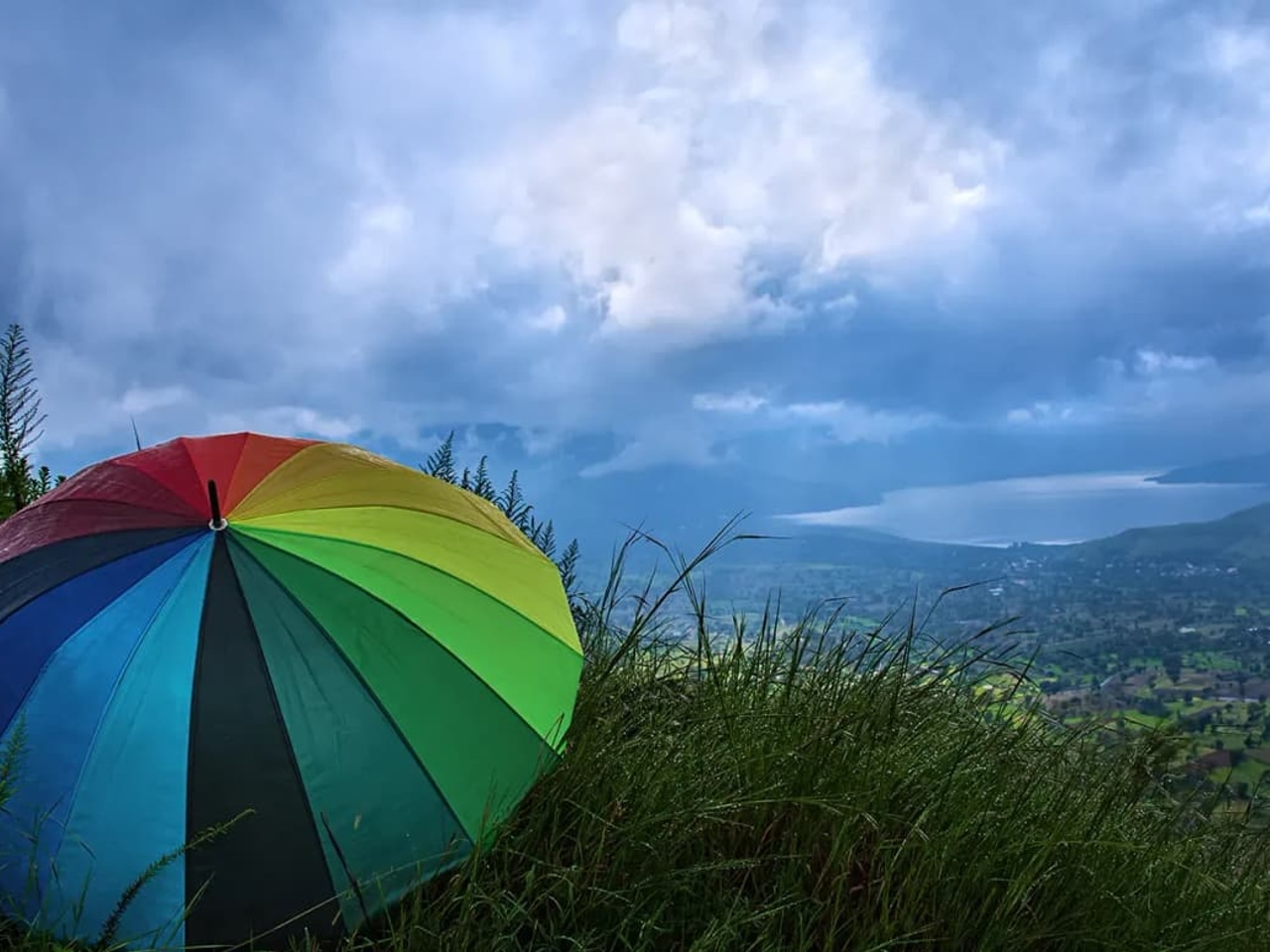
- Waterproof Gear: Carry a good quality umbrella, raincoat, and waterproof bags for electronics and important documents.
- Appropriate Footwear: Wear waterproof and slip-resistant footwear.
- Emergency Kit: Include a first-aid kit, flashlight, power bank, dry snacks, and a portable charger.
Government Regulations and Official Notices
Indian government bodies, both at the central and state levels, issue regular advisories during the monsoon. These include:
- Ministry of Home Affairs (MHA): Issues national-level guidelines and coordinates disaster response.
- National Disaster Management Authority (NDMA): Provides comprehensive guidelines for disaster preparedness and mitigation (ndma.gov.in).
- State Disaster Management Authorities (SDMAs): Each state has its own SDMA that issues specific advisories and manages local responses. Travelers should refer to the SDMA of the state they are visiting.
- Traffic Police and Public Works Departments: Provide real-time updates on road closures and diversions.
Always prioritize information from these official sources over unverified news or social media posts.
Conclusion
Monsoon travel in India can be an enchanting experience, but it demands careful preparation and adherence to safety guidelines. By staying informed, taking necessary precautions, and respecting the power of nature, travelers can navigate the monsoon season safely and enjoy the unique beauty it brings.