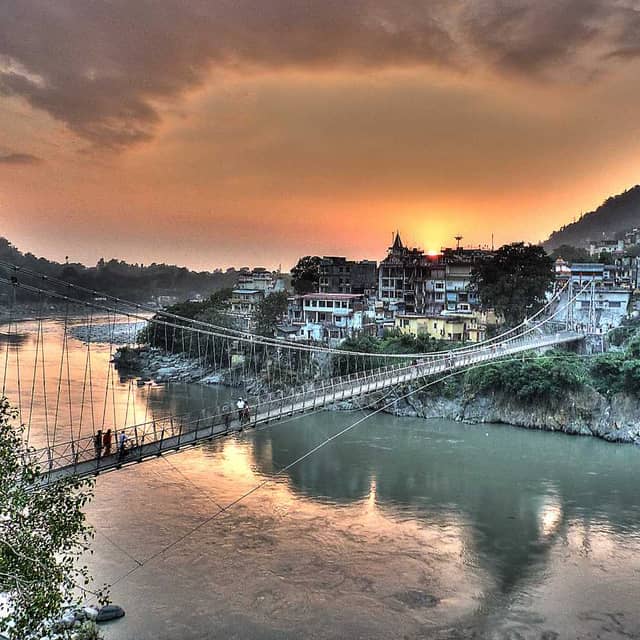
India is more than just a destination — it is a deeply spiritual experience. For centuries, travelers, pilgrims, and seekers from around the world have come here to explore sacred temples, ancient traditions, and peaceful ashrams. Religious tourism in India offers a journey into philosophy, culture, and spiritual practice that has shaped the country for thousands of years.
Whether you are interested in completing a traditional Hindu pilgrimage circuit, joining yoga and meditation retreats, or simply observing the devotion and rituals that define everyday life in India, spiritual travel here can be truly transformative.
The Heart of the Hindu Pilgrimage Circuit
India’s spiritual geography is vast, but several key cities form the foundation of the country’s pilgrimage routes.
1. Varanasi, Uttar Pradesh — The City of Light
Varanasi, also known as Kashi, is one of the oldest continuously inhabited cities in the world and is considered the spiritual heart of India.
- The Experience: Life unfolds along the famous Varanasi ghats where pilgrims perform rituals beside the sacred Ganges River. Sunrise boat rides offer a beautiful view of morning prayers and temple bells.
- Evening Rituals: The Ganga Aarti at Dashashwamedh Ghat is a spectacular ceremony of chanting, fire lamps, and devotion.
- Key Site: The Kashi Vishwanath Temple, dedicated to Lord Shiva, is one of the most important temples for Hindu pilgrims.
2. Rishikesh and Haridwar, Uttarakhand — Twin Holy Cities
Located along the Ganges River in the foothills of the Himalayas, Haridwar and Rishikesh are among the most accessible spiritual destinations in northern India.
- Haridwar: Known as the “Gateway to God,” the city’s main spiritual center is Har Ki Pauri ghat, where evening Aarti ceremonies attract thousands of devotees.
- Rishikesh: Famous as the Yoga Capital of the World, Rishikesh is home to numerous ashrams, yoga retreats, and meditation centers.
3. Mathura and Vrindavan — The Land of Krishna
These two cities are deeply connected to the life of Lord Krishna and are major pilgrimage destinations for devotees.
- The Experience: Devotional songs, colorful temples, and celebrations during festivals like Holi and Janmashtami create an energetic spiritual atmosphere.
- Key Sites: Banke Bihari Temple in Vrindavan and the Krishna Janmasthan Temple in Mathura.
Beyond Hinduism: Diverse Sacred Sites
India’s spiritual landscape includes many religions, each contributing to the country’s diverse sacred heritage.
4. Bodh Gaya, Bihar — The Birthplace of Buddhism
Bodh Gaya is one of the most important pilgrimage sites for Buddhists worldwide.
- The Experience: This is where Prince Siddhartha Gautama attained enlightenment under the Bodhi Tree and became the Buddha.
- Key Site: The Mahabodhi Temple complex, a UNESCO World Heritage site where monks and visitors meditate throughout the day.
- Spiritual Practice: Vipassana meditation retreats and mindfulness programs are widely available.
5. Amritsar, Punjab — The Golden Temple
The Golden Temple, officially called Harmandir Sahib, is the holiest shrine in Sikhism and one of the most welcoming religious sites in the world.
- The Experience: The golden temple reflecting in the sacred pool creates a peaceful and powerful atmosphere.
- Langar: The community kitchen feeds thousands of people daily, regardless of religion or background.
- Seva: Visitors are welcome to participate in preparing or serving meals as an act of selfless service.
Immersive Spiritual Experiences
Ashram Retreats in India
Ashram stays offer a deeper spiritual experience beyond sightseeing. Daily routines often include meditation, chanting, yoga, and community service.
- Parmarth Niketan Ashram in Rishikesh
- Isha Yoga Center in Coimbatore
Sacred River Journeys
Rivers like the Ganges and Yamuna are considered sacred in Indian traditions. Many pilgrims travel along these rivers, visiting temples and holy towns connected to their spiritual significance.
Spiritual Travel Tips
Best Time for Pilgrimage Travel
October to March offers the most comfortable weather for visiting northern pilgrimage sites. Himalayan temples such as Kedarnath and Badrinath are usually accessible only during the summer months due to heavy snowfall in winter.
Dress Modestly
- Cover shoulders and knees in temples.
- Remove shoes before entering religious places.
- Head coverings are required inside Sikh gurdwaras.
Local Guides
Hiring a knowledgeable local guide can help explain temple architecture, religious stories, and rituals that may otherwise be difficult to understand.
Connecting with Other Travelers
Spiritual journeys often involve reflection, but they can also be enriched by sharing experiences with fellow travelers. Travel communities and platforms like SyncTrip make it easier to meet like-minded people, share transportation, and explore sacred destinations together.