There is nothing quite like loading into cars with your closest people, rolling down the windows somewhere around 6 in the morning, and not being entirely sure which of you is going to get into an argument first about the playlist.
Road trips with a group are chaotic, unpredictable, and occasionally maddening. They are also some of the best memories most of us will ever make. The problem is that getting five or eight or twelve people to agree on a route, a departure time, and what counts as "a good stop" can feel like organizing a small country.
In 2026, this is changing. A new wave of group travel planning tools — and a genuine cultural shift toward traveling with intention and connection — is making it easier than ever for a crew to actually pull off a great road trip without weeks of back-and-forth in a chaotic group chat. But before we get to the logistics, let us talk about the routes themselves. Because the best road trip starts with the right stretch of road.
Why Group Road Trips Are Booming in 2026
Something shifted in how people are choosing to travel this year. After years of solo bucket lists and Instagram-perfect solo adventures, the cultural pendulum is swinging hard back toward shared experiences. Search data from Google shows that queries around "group travel" and "tour groups" hit all-time highs in early 2026. People want to go places, and increasingly, they want to go with their people.
Road trips in particular have become the format of choice for groups who want adventure without the logistical nightmare of coordinating flights. There is something inherently democratic about a road trip — everyone piles in, the route is flexible, and the journey itself becomes part of the experience rather than just a transit step to get somewhere. You can stop when something unexpected catches your eye. You can extend a night in a mountain village if the vibe is right. You cannot do that in seat 24B at 30,000 feet.
The rise of the group road trip also reflects something deeper: a hunger for genuine, unfiltered time with friends. Not a curated dining experience or a planned itinerary with buffer times. The kind of time that happens when you are stuck in a traffic jam on a mountain pass and someone starts telling a story they have never told before. The kind of connection that only comes from being physically in the same space, moving through the same world together.
The Uncomfortable Truth About Planning Group Road Trips
Here is what nobody tells you when you excitedly send that "road trip??" message to the group chat at midnight: planning a road trip with more than two or three people is genuinely difficult. Not because the logistics are complex — they are not — but because you are trying to synchronize the schedules, preferences, risk tolerances, budgets, and enthusiasm levels of multiple adults who all have different ideas about what a "good trip" looks like.
One person wants adventure stops with hiking. Another wants beach days. Someone is on a tight budget. Someone else books the fanciest hotel in every city they visit. Three people say "I'm down for anything!" and then object to every suggestion. This is not a character flaw. This is just what happens when you bring humans together and ask them to agree on things.
"The best group road trip is not the one with the most spectacular route. It is the one where everyone actually showed up, nobody felt unheard, and the costs were split fairly."
The solution is not to plan less — it is to plan smarter. And that means using tools built specifically for groups rather than struggling through shared spreadsheets, ten-person polls in WhatsApp, and someone heroically volunteering to "just figure it out" and quietly losing their mind in the process. That is exactly the gap SyncTrip was built to close: a single place where your group can vote on destinations, coordinate rides, track shared expenses, and actually commit to the plan together.
With that in mind, here are the road trip routes worth building a plan around.
The Best Adventure Road Trip Routes for Groups in 2026
These are not ranked. Every group has a different definition of adventure, a different appetite for discomfort, and a different geography to depart from. What follows is a collection of routes that consistently deliver the things groups come back talking about: stunning scenery, unexpected stops, the right mix of challenge and reward, and enough variety to keep everyone in the car engaged.
1. Manali to Leh, Himachal Pradesh & Ladakh
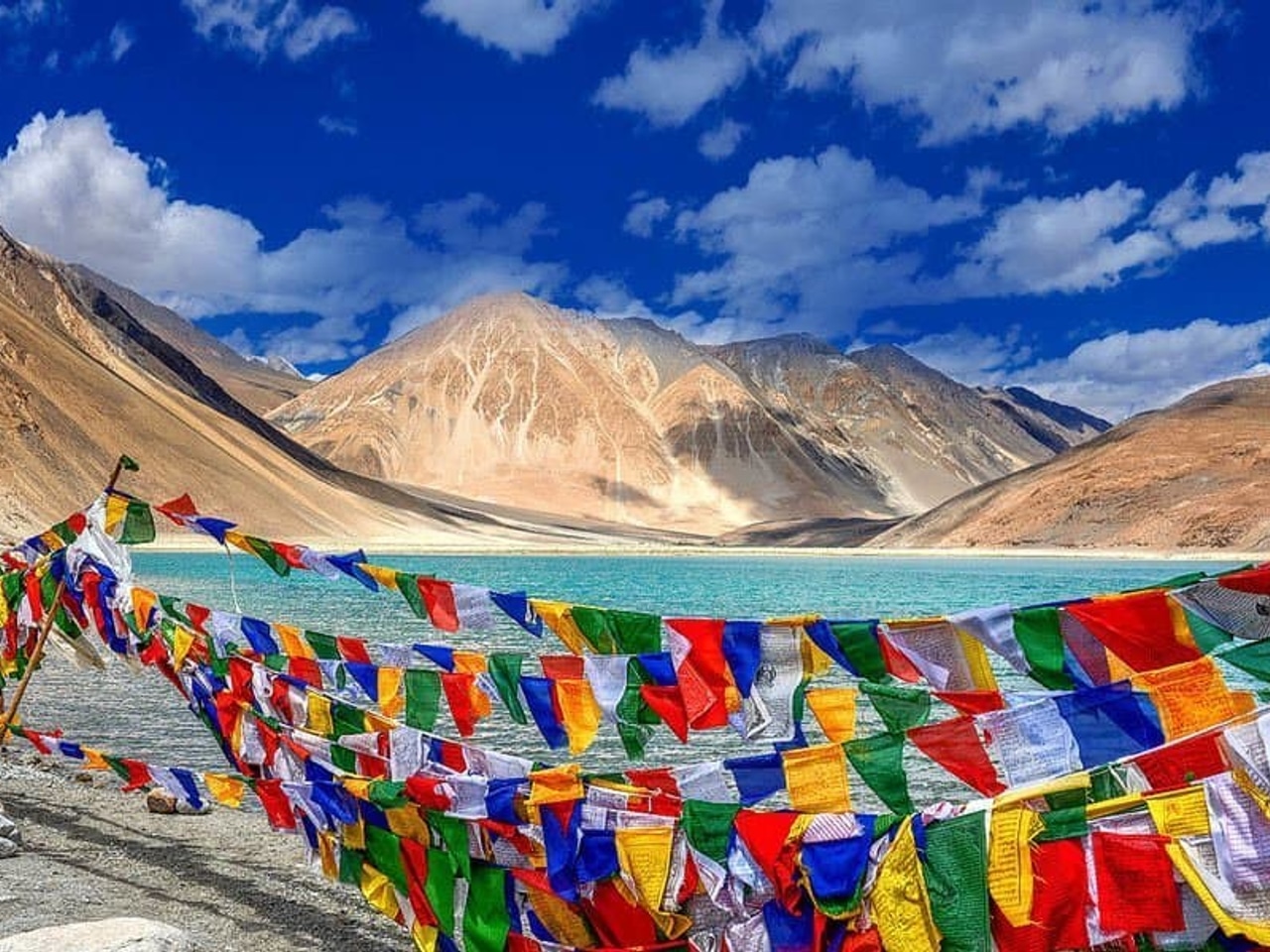
There is a reason this route appears on nearly every serious road tripper's list, and that reason has not gotten less compelling with time. The Manali–Leh Highway is one of the highest motorable roads in the world, and driving it with a group of friends is the kind of experience that genuinely reshapes your sense of what is possible. You cross five mountain passes above 4,000 metres, including the legendary Rohtang Pass and Baralacha La. The landscape shifts from pine forests to stark, lunar desert in ways that feel almost cinematic. Expect slow progress, altitude sickness checks, prayer flags at every pass, and a group WhatsApp that will be overwhelmed with photos that do not do it justice. The Rohtang Pass area typically remains accessible from late May or early June after winter snowfall clears. If your group can align schedules for a summer departure, this route is unmatched for sheer adventure payoff per kilometre driven.
2. The Konkan Coastal Route: Mumbai to Goa
If the Manali–Leh highway is a test of endurance, the coastal drive from Mumbai down to Goa through the Konkan coast is its seductive opposite — a slower, richer, more sensory journey that rewards groups willing to take the scenic route over the highway. The real magic of this drive lies in the detours: ancient Portuguese-era forts rising from cliffsides, hidden coves that require a short hike through dense coconut groves, riverside ferry crossings, and fishing villages where the catch of the morning is fried and served before noon. Akshi Beach, Ganpatipule, Tarkarli, and the historic fortifications at Sindhudurg all deserve more than a passing glance. This is a route for a group that can handle some debate about when to stop — because the answer will always feel like "everywhere." It works brilliantly in November through February, when the Konkan weather is at its softest and most welcoming.
3. The Spiti Valley Circuit, Himachal Pradesh
Spiti exists in a kind of perpetual golden hour. The cold desert valley sits at an average elevation above 4,000 metres, the light hits the ochre cliffs at angles that feel unrepeatable, and the silence between villages is the kind that makes you feel every thought you have ever had was slightly too loud. For a group that wants an adventure route with genuine depth — cultural, physical, photographic — the Spiti circuit is arguably the most rewarding road trip in India. It is also among the most demanding. Roads are unpaved and narrow in stretches. River crossings are real. Mobile connectivity disappears for long stretches, which for some groups will feel like a bug and for others will feel like the entire point. The circuit can be entered from Shimla via the Hindustan–Tibet Road, completing the loop via Manali, or run in reverse. Ancient monasteries like Key, Dhankar, and Tabo are among the oldest in the Himalayan Buddhist world, and sharing meals and chai with locals in villages like Kaza is the kind of slow travel experience that no curated itinerary can replicate.
4. Rajasthan Heritage Loop: Jaipur to Jaisalmer
Not every group road trip needs to be about physical difficulty. Some of the most memorable journeys are the ones where the landscape and culture are so overwhelming that you are grateful for the windshield between you and it, just to slow the arrival down. The Rajasthan loop from Jaipur westward through the Thar Desert toward Jaisalmer — via the blue city of Jodhpur — is exactly this kind of trip. The Pink City gives way to colossal fort silhouettes at dusk, and Jaisalmer's golden sandstone fort glows against the desert sky like something from a dream someone else had. A night or two in desert camps between Jodhpur and Jaisalmer, with optional camel safaris and folk music under extraordinary stars, has converted countless skeptics into believers. This is one of the few great road trip routes in India that works across a wide seasonal window — October through March is ideal — and it scales gracefully from a group of four to a group of twelve, since the towns along the route have accommodation that suits most group sizes and budgets.
5. Bangalore to Coorg and the Kabini Forest
For groups in South India who want a condensed adventure that packs a lot into a short window, the drive from Bangalore into the coffee estates of Coorg and onward to the Kabini wildlife reserve is close to perfect. Coorg earns its reputation as the "Scotland of India" through sheer atmospheric weight: the Western Ghats rise around you in heavy mist, the air smells of coffee and wet earth, and the winding roads through plantations demand the kind of focused, respectful driving that actually makes you feel present. Kabini sits at the edge of the Nagarhole National Park, and a morning or evening jungle safari here — tigers, elephants, and leopards have all been spotted by groups lucky enough to be in the right place — offers the kind of shared adrenaline that bonds a group faster than any team-building exercise ever invented. This route is also the most logistically flexible on this list, making it an excellent choice for groups who are still figuring out how to plan together before committing to something longer and more remote.
6. The Northeast Frontier: Guwahati to Tawang
If you are the kind of group that actively seeks the roads fewer people have driven, the route from Guwahati through the hills of Arunachal Pradesh toward the ancient monastery town of Tawang belongs on your list. This is one of the most spectacular and least-travelled road trip routes in the country, and in 2026 it remains genuinely offbeat in ways that the more famous Himalayan circuits no longer are. The Se La Pass, at 4,170 metres and often draped in cloud, is one of the most dramatic crossing points in India. Tawang itself — home to one of the largest Buddhist monasteries outside Tibet — sits in a bowl of mountains at 3,048 metres and offers sunrises that groups come back describing with a reverence they normally reserve for entirely different kinds of experiences. Note that foreign nationals require an Inner Line Permit for Arunachal Pradesh, and Indian nationals do as well for certain areas — planning this trip via SyncTrip's group coordination tools means nobody forgets the permit until the last stretch of road before the checkpoint.
How to Actually Make a Group Road Trip Work
Choosing a great route is the exciting part. But seasoned group travelers will tell you that the most spectacular route in the world does not save a trip where the planning broke down, the costs caused friction, and two people spent the whole drive regretting they came. Here is what the groups who genuinely love their road trips do differently.
Sync Everyone Before You Commit to Anything
The single biggest reason group road trips fall apart is that one or two people made decisions on behalf of everyone else, and the others went along without really buying in. This feels efficient at the planning stage and creates resentment somewhere around day two. The fix is to involve everyone in the actual decision — not by drowning in a poll, but by having a clear, structured conversation about what kind of trip people actually want. That means aligning on pace, on budget range, on whether the adventure means remote mountain roads or coastal leisureliness, and on how much structure versus spontaneity feels comfortable. SyncTrip was designed precisely for this conversation — bringing your whole group into one place to vote, discuss, and commit before anyone books anything.
Agree on Costs Before You Leave
Money is the most reliable way to ruin a good trip with good people. Not because anyone is trying to be unfair, but because without a shared system, everyone is doing different mental accounting and nobody's numbers match at the end. Agree on a rough daily budget per person before departure. Assign someone to track shared expenses in real time — fuel, tolls, accommodation, group meals — and settle up at natural checkpoints rather than leaving it all for a stressful conversation at the airport. Many groups find that using a shared expense tracker eliminates nearly all of the financial tension that can otherwise quietly undermine even the best itinerary.
Build in Flex Days
The most memorable moments of any group road trip are almost never the ones you planned. They are the waterfall you spotted from the road, the dhaba that smelled too good to pass, the local festival that turned out to be happening that very evening in that exact town you were not sure whether to stop in. If you build your itinerary with no slack, you will drive past all of these things with mild regret. If you plan two thirds of the days and leave the rest open, the trip will fill those days better than you ever could have. The discipline required is to agree as a group that "nothing" is a valid plan for certain days, and resist the urge to fill every hour before you leave.
Know Your Group's Actual Adventure Threshold
Every group has one person who would happily sleep in a tent at 4,500 metres and another who needs a decent mattress and hot water to function like a human being. Neither is wrong. But sending the second person on the Spiti circuit without a frank pre-trip conversation about what the accommodation situation actually looks like is a recipe for a miserable three days followed by decades of "never again." The best groups are honest about their range before they book anything, and then they choose a route that genuinely works for the least adventurous person — not the most. Because that person's experience determines the group's experience.
Frequently Asked Questions
Ready to Plan Your Group Road Trip?
Stop organizing in chaotic group chats. Planning a major road trip shouldn't feel like a second job. By utilizing modern platforms, you can bring your whole crew together—aligning routes, assigning rides, tracking costs, and locking in plans seamlessly in one centralized place. Sync up, hit the road, and let the adventure take over.