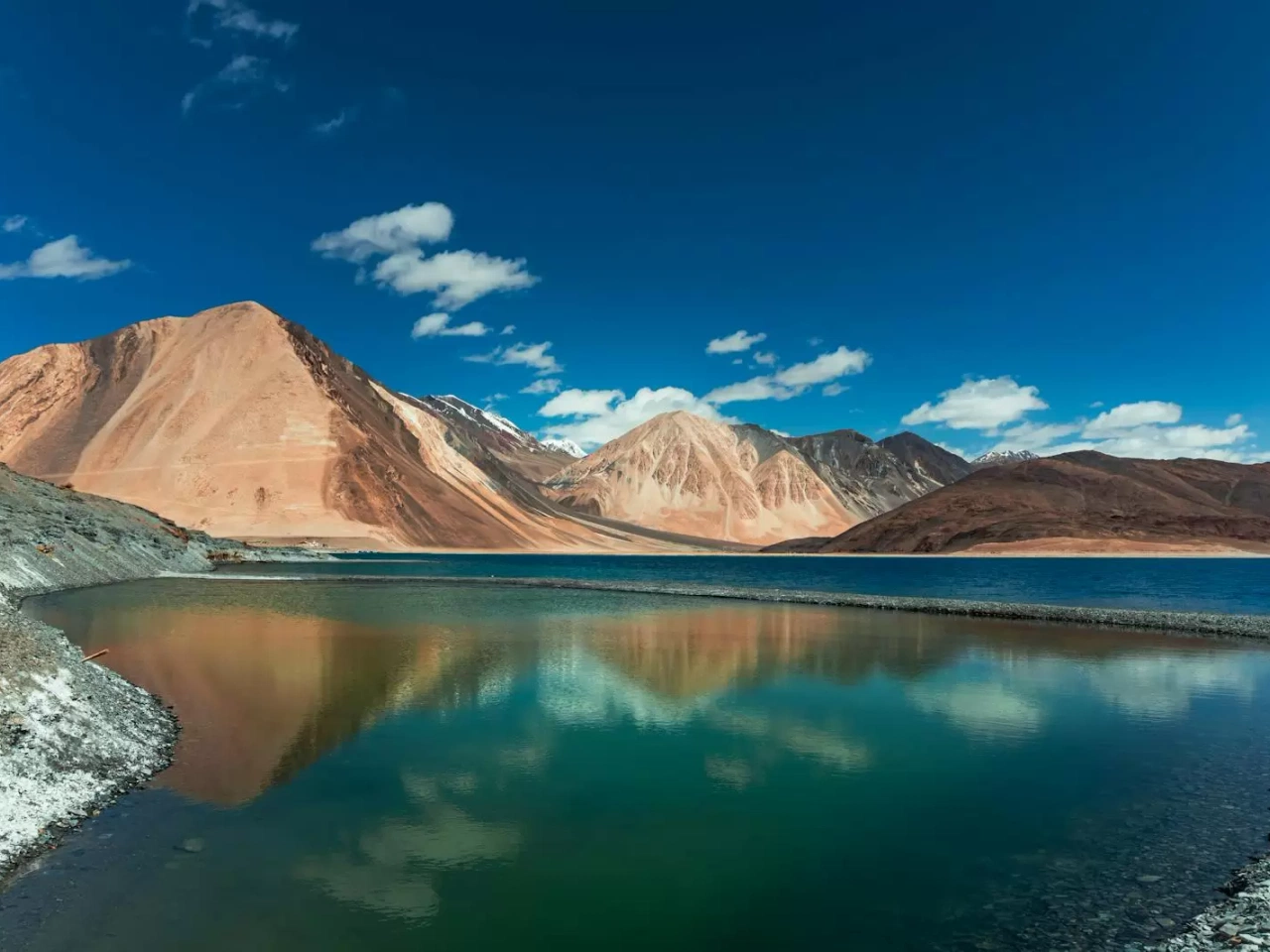
For motorcycling enthusiasts, there is one journey that sits at the undisputed pinnacle of road trips: the Delhi to Ladakh bike ride. It is not just a vacation; it is a pilgrimage. The roar of the engine echoing through barren valleys, the thrill of crossing the highest motorable passes in the world, and the stark, lunar beauty of the trans-Himalayan landscape make this a life-altering adventure.
However, riding to the "Land of High Passes" is not a casual weekend getaway. It demands intense preparation, immense physical endurance, and a profound respect for the mountains. The weather is unpredictable, the terrain is unforgiving, and the altitude can be dangerous. If you are gearing up to turn this dream into a reality, here is everything you need to know to conquer the Delhi to Ladakh route safely and spectacularly.
1. Choosing Your Weapon: The Ideal Bike
While people have successfully completed this trip on scooters and commuters, bringing the right machine drastically improves your safety and comfort. You need a motorcycle with decent ground clearance, a robust suspension setup, and an engine capable of handling steep inclines in thin air.
- Royal Enfield Himalayan: Arguably the most popular choice today. Its long-travel suspension, comfortable riding posture, and low-end torque make it perfect for off-roading.
- Royal Enfield Classic/Bullet 350 or 500: The traditional workhorses of the Himalayas. They are heavy, but mechanics in the remotest villages know how to fix them.
- KTM 390 Adventure / BMW G310 GS: Excellent choices for those who prefer modern, liquid-cooled engines and advanced electronics, though finding parts in rural Ladakh can be tricky.
- Hero Xpulse 200: A fantastic, lightweight budget option. What it lacks in top speed on the highways, it more than makes up for when the tarmac ends.
Regardless of what you ride, a thorough pre-trip service is mandatory. Check your clutch plates, replace brake pads, ensure your tires have deep treads, and carry essential spares (cables, spark plugs, puncture kits, and a foot pump).
2. The Route: Srinagar vs. Manali
There are two primary highways leading into Ladakh, and most riders choose to go up one and come down the other to experience the full circuit.
The Srinagar to Leh Highway (NH1)
This route is a gradual ascent, making it the smarter choice for acclimatization. You start in the lush valleys of Kashmir, cross the treacherous Zoji La pass, and slowly transition into the barren desert of Ladakh via Kargil. It is incredibly scenic and culturally diverse.
Route: Delhi → Jammu → Srinagar → Kargil → Leh
The Manali to Leh Highway
This is the route that tests your mettle. It is shorter, steeper, and significantly more remote. You will gain altitude rapidly (which increases the risk of Acute Mountain Sickness), traverse notorious water crossings, and conquer iconic passes like Rohtang, Baralacha La, and Tanglang La.
Route: Delhi → Manali → Jispa → Sarchu → Leh
3. The Ideal Time to Ride
The window for a Ladakh bike trip is narrow, entirely dictated by snow clearing on the high passes.
Mid-June to September is the golden window. By late June, both the Manali and Srinagar highways are usually open. July and August are peak season, though you may encounter monsoon rains in the lower foothills (Himachal and Kashmir). September is arguably the best month—the monsoon has retreated, the water crossings have tamed down, and the autumn colors begin to show.
4. Surviving the Altitude: AMS
Acute Mountain Sickness (AMS) is the biggest threat on this journey. The air above 10,000 feet is thin, and pushing your body too hard can result in headaches, nausea, dizziness, and in severe cases, fatal conditions like HAPE or HACE.
- Hydrate constantly: Drink 3-4 liters of water a day. Dehydration accelerates AMS.
- Ascend slowly: Follow the golden rule of mountaineering—climb high, sleep low.
- Rest day in Leh: Once you reach Leh, take at least one full day of absolute rest. No riding, no trekking, just letting your body adapt.
- Medication: Consult your doctor about carrying Diamox, and familiarize yourself with its dosage before you leave.
5. Permits and Paperwork
Getting to Leh is only half the battle. To visit the pristine areas around Ladakh, such as Pangong Tso, Nubra Valley, and Tso Moriri, you need an Inner Line Permit (ILP). You can apply for this online via the LAHDC portal before your trip, or arrange it through local travel agents once you arrive in Leh.
Always carry multiple physical copies of your ILP, driving license, vehicle registration (RC), pollution certificate (PUC), and insurance, as you will need to submit them at various military checkpoints.
The Final Word
A bike trip from Delhi to Ladakh is a brutal, exhausting, and utterly magnificent endeavor. It will push your physical limits, test your mechanical skills, and reward you with vistas that look like they belong on another planet. Prepare meticulously, respect the mountains, and embrace the unexpected. The journey to the top of the world awaits.
Planning a Ladakh expedition requires serious coordination, especially if you are riding with a group or looking to join a convoy. Mapping out fuel stops, sharing itineraries, and keeping everyone on the same page is critical for safety in these remote regions. That is where SyncTrip becomes your most valuable piece of gear. Whether you are a solo rider looking to find fellow bikers to tackle the treacherous Manali-Leh highway with, or a group organizing a detailed day-by-day route, SyncTrip takes the chaos out of planning. Build your ultimate Himalayan itinerary, connect with other adventurers, and hit the road with confidence.