So you've been scrolling through Instagram, watching people walk through clouds and forests and thinking — why not me?
Good news: you don't need to be an athlete. You don't need expensive gear. And you definitely don't need to start with Everest Base Camp.
India has some of the most beautiful, well-marked, and beginner-accessible trails in the world — from the meadows of Uttarakhand to the ghats of Karnataka. This guide will help you pick the right first trek, understand what you're getting into, and actually enjoy it.
What Makes a Trek "Beginner-Friendly"?
Before jumping to the list, here's how to read trail difficulty honestly:
- Distance per day:8–14 km/day is comfortable for beginners. Above 18 km gets demanding fast.
- Altitude gain:A gain of under 600–700 metres per day is manageable without severe acclimatisation issues.
- Max altitude:Under 4,000 metres is where most people start. Above that, altitude sickness becomes a serious concern.
- Trail conditions:Clearly marked, no technical climbing, and no glacier crossings.
- Duration:3–6 days is ideal. Enough to feel the trek, not so long that fatigue destroys the experience.
Top 8 Beginner Treks in India
1. Triund Trek — Himachal Pradesh
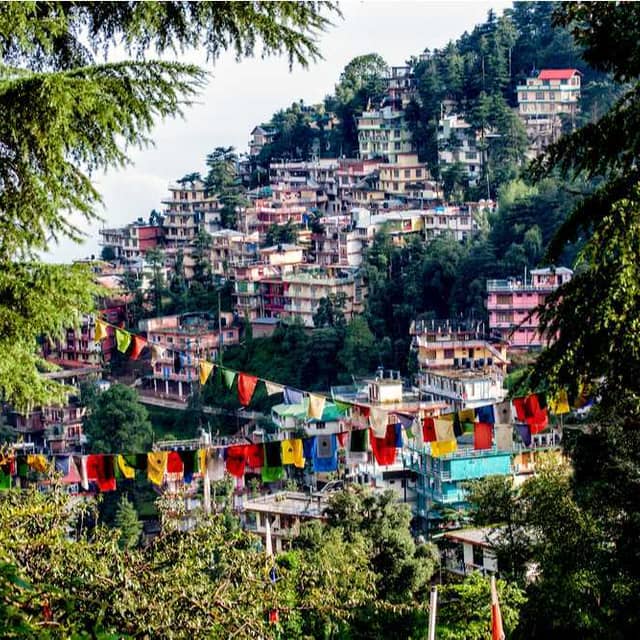
Triund is many people's first Himalayan trek — and for good reason. Starting from McLeod Ganj, you walk through oak forests to a ridge with a jaw-dropping view of the Dhauladhar range. The trail is well-trodden, with tea stalls along the way. You can stay overnight in tents and wake up to an unforgettable sunrise.
What to know: Weekends get crowded; go on a weekday. The last 2 km are steep, so take it slow.
2. Kedarkantha Trek — Uttarakhand
The poster child of winter treks in India. Walk through dense pine forests, camp in snow, and reach a summit with 360-degree views. It gives you a true "summit" experience without demanding technical skill. The altitude gain is gradual, helping your body adjust.
What to know: Night temperatures can drop to -10°C in January. Rent proper sleeping bags and go with a registered operator.
3. Valley of Flowers — Uttarakhand
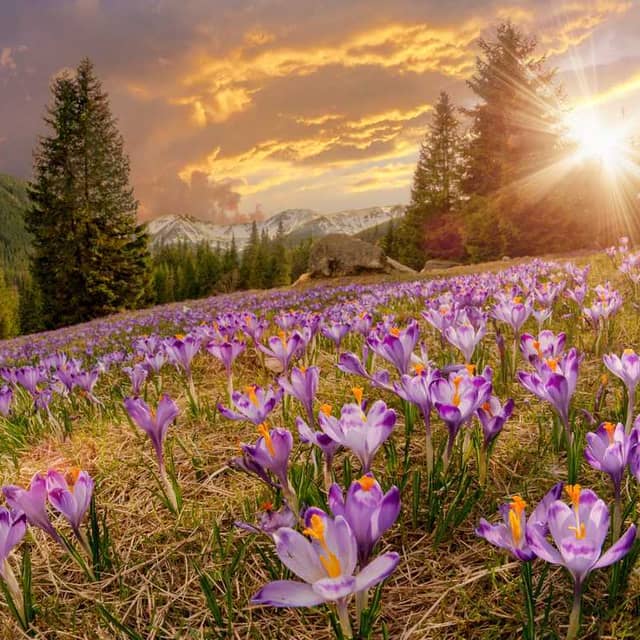
A UNESCO World Heritage Site that turns into a carpet of over 300 species of wildflowers during the monsoon (July to September). The trail from Govindghat is well-defined. Many add the optional (but harder) trek to Hemkund Sahib.
What to know: Expect rain — waterproof everything. Entry fees apply (₹200 for Indians, ₹800 for foreigners).
4. Brahmatal Trek — Uttarakhand
Kedarkantha's quieter sibling. You walk through snow-laden rhododendron forests, camp beside frozen lakes, and get panoramic views of Trishul and Mt. Nanda Ghunti. Perfect if you prefer solitude and less commercialized campsites.
5. Chopta – Tungnath – Chandrashila — Uttarakhand
Tungnath is the highest Shiva temple in the world. Chandrashila, the peak just above it, offers views of Nanda Devi and Trishul. This trek gives a disproportionate reward for minimal effort, and the meadows around Chopta are spectacular.
6. Har Ki Dun — Uttarakhand
Known as the "Valley of Gods," this ancient trail blends culture and nature. Pass through traditional Garhwali villages and cross wooden bridges to arrive at a cradle-shaped valley. The daily altitude gain is modest, making it suitable for beginners with good stamina.
7. Kumara Parvatha — Karnataka
If you're in South India, this is your first serious test. Starting from Kukke Subramanya, climb through dense rainforests to one of Karnataka's highest peaks. The final push is steep, but the view of the rolling Ghats is magnificent.
What to know: Forest permission required (₹250). Leech socks are essential during monsoons.
8. Sandakphu Trek — West Bengal
The highest point in West Bengal and the only place to view four of the five highest mountains in the world (Everest, Kangchenjunga, Lhotse, Makalu) at once. The trail hops between India and Nepal, passing through small villages with comfortable tea houses.
Gear You Actually Need (Honest List)
You don't need to spend ₹50,000 on gear for your first trek. Here's what actually matters:
- Trekking shoes with ankle support:Break them in before the trek — new shoes = blisters.
- Rain cover:For your backpack.
- Layered clothing:Base layer (moisture-wicking), mid layer (fleece), outer layer (wind/rain jacket).
- Sunscreen & Headlamp:High altitude UV is no joke, and you need a light with spare batteries.
- Basic first aid:ORS, ibuprofen, band-aids, antiseptic.
"Skip the expensive GPS watches and professional cameras for now. Also, rent a tent from operators for your first few treks instead of buying one."
Going Solo vs. With an Operator?
For your first 2–3 treks, go with a registered operator. They handle permits, local guides know the weather, and they carry emergency oxygen. Paying for an organized trek is paying for safety and peace of mind while you learn the ropes.
Above 2,500 m, altitude sickness is a real risk. Symptoms include headache, nausea, and fatigue. The cause is lower oxygen, not fitness level.
- Ascend slowly: Don't gain more than 300–500 m of altitude per day above 3,000 m.
- Hydrate: Drink 3–4 litres of water a day at altitude.
- Listen to your body: If you feel seriously unwell (confusion, breathlessness at rest), descend immediately. No view is worth it.
Which Trek Should You Do First?
- Based in North India, first-timer:Triund Trek
- Want a winter snow experience:Kedarkantha or Brahmatal
- Short on time (weekend trek):Chopta – Chandrashila
- Want flowers and meadows:Valley of Flowers
- Based in South India:Kumara Parvatha
- Want to see Himalayan giants:Sandakphu