India has long been revered globally as the birthplace of yoga and Ayurveda, drawing millions of travelers seeking physical rejuvenation, mental clarity, and spiritual growth. While excellent wellness centers are scattered from the southern backwaters of Kerala to the high-altitude deserts of Ladakh, the northern city of Rishikesh remains the undisputed “Yoga Capital of the World.”
Nestled in the lush Himalayan foothills where the sacred Ganges River emerges from the mountains, Rishikesh offers an unparalleled blend of ancient spiritual traditions and modern holistic therapies.
The Heart of Yoga: From Traditional Ashrams to Modern Studios
The yoga culture in Rishikesh is incredibly diverse, designed to accommodate every level of practitioner—from absolute beginners to lifelong yogis.
Traditional Ashrams for Deep Immersion
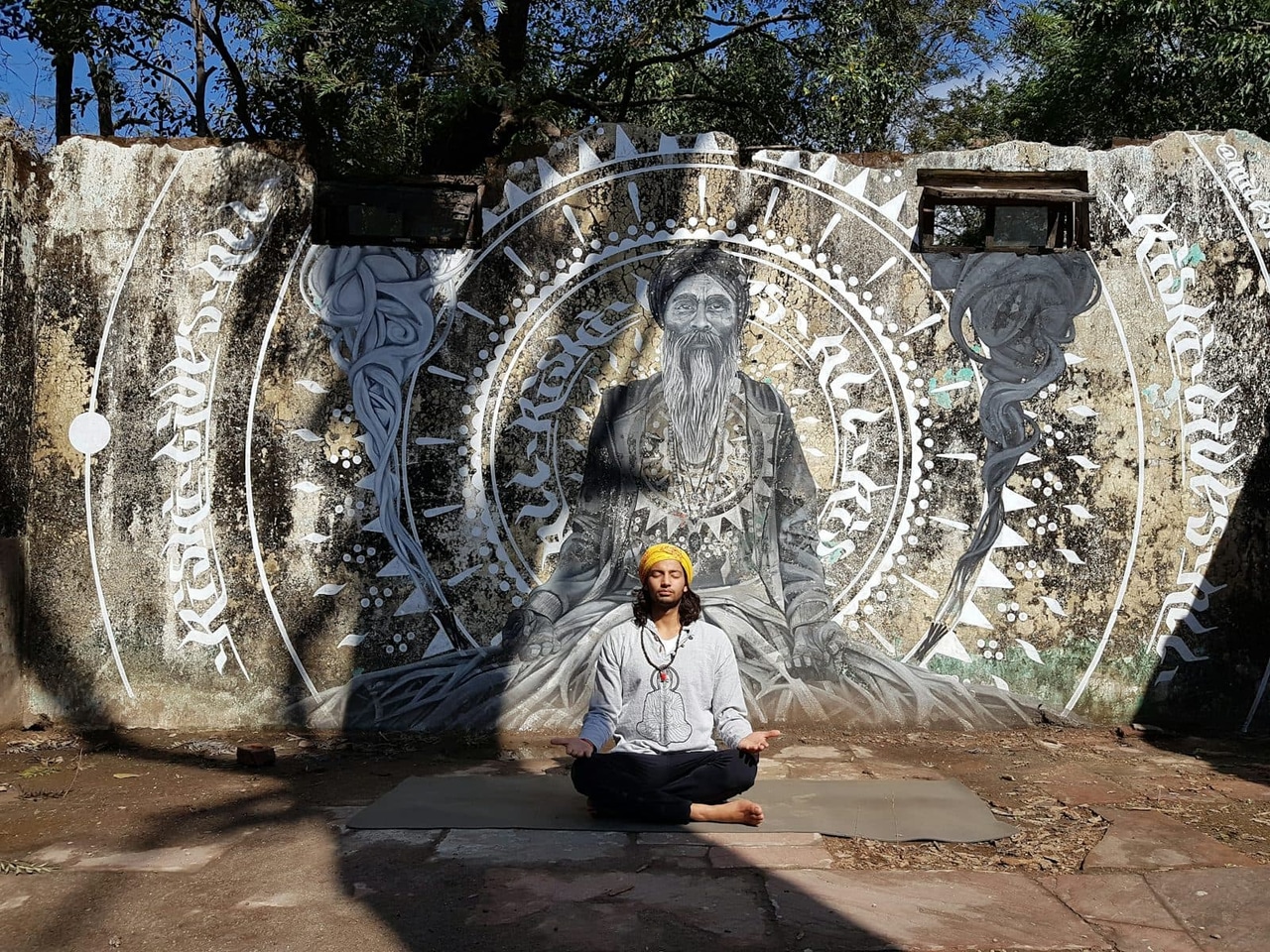
For those seeking an authentic spiritual experience, traditional ashrams provide structured routines focused on discipline and mindfulness. Days begin before sunrise with meditation, followed by intensive yoga practice, karma yoga (selfless service), chanting, and philosophy lectures.
Meals are vegetarian and often eaten in silence, creating a deeply introspective environment that removes distractions and encourages self-awareness.
Contemporary Retreat Centers
Modern retreat centers offer a more flexible experience that blends yoga, breathwork (Pranayama), and meditation with free time for exploration.
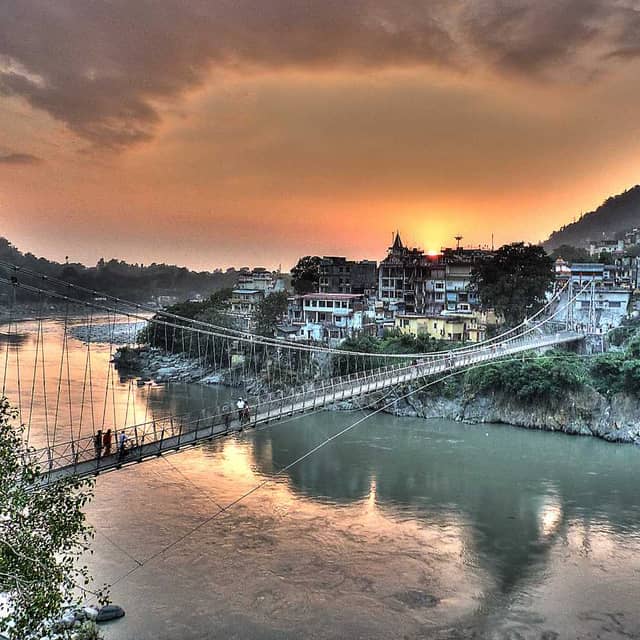
Guests can visit suspension bridges like Lakshman Jhula, hike to nearby Neer Garh waterfalls, or relax at riverside cafes overlooking the Ganges.
Drop-In Classes for Independent Travelers
Backpackers staying in hostels or guesthouses don’t need to commit to a long retreat. Numerous yoga studios offer drop-in classes for affordable prices, allowing travelers to explore styles like Vinyasa, Hatha, or Yin yoga at their own pace.
Ayurveda: The Science of Life and Natural Balance
Ayurveda, India’s ancient 5,000-year-old medical system, complements yoga perfectly and forms a core part of the wellness experience in Rishikesh.
Rather than focusing only on symptoms, Ayurveda aims to balance the body’s fundamental energies—known as doshas.
Consultations and Personalization
A genuine Ayurvedic retreat begins with a consultation where a practitioner evaluates your lifestyle, pulse, and physical traits to determine your dosha (Vata, Pitta, or Kapha). Based on this assessment, a personalized treatment plan is created involving herbal remedies, diet adjustments, and physical therapies.
Panchakarma and Sustainable Health
Many visitors travel to Rishikesh specifically for Panchakarma—an intensive detoxification program designed to cleanse toxins from the body and restore vitality.
These programs combine diet regulation, herbal medicine, and therapeutic treatments to reset the digestive system and improve overall well-being.
Daily Ayurvedic Therapies
Even shorter wellness stays often include therapies like Abhyanga (synchronized herbal oil massage) and Shirodhara (a gentle stream of warm oil poured over the forehead to calm the nervous system).
Vedic Astrology: Mapping the Mind and Spirit
Holistic wellness in India often extends beyond the physical body. Many retreats and ashrams offer consultations in Jyotish (Vedic Astrology).
Unlike casual horoscope readings, Jyotish is deeply connected to traditional Indian philosophy. Practitioners analyze a traveler’s natal chart to offer insights into life direction, emotional patterns, and future opportunities.
Luxury Spa Getaways: Healing with Comfort
Rishikesh is no longer just a destination for backpackers or ascetic yogis. The region now hosts luxury wellness resorts that combine ancient healing with modern comfort.
Guests can enjoy infinity pools overlooking the Ganges valley, organic farm-to-table dining, and beautifully designed villas surrounded by Himalayan forests.
Spa menus frequently combine Eastern and Western therapies—classical Swedish massage, deep-tissue treatments, sound healing sessions, crystal therapy, and guided forest bathing.