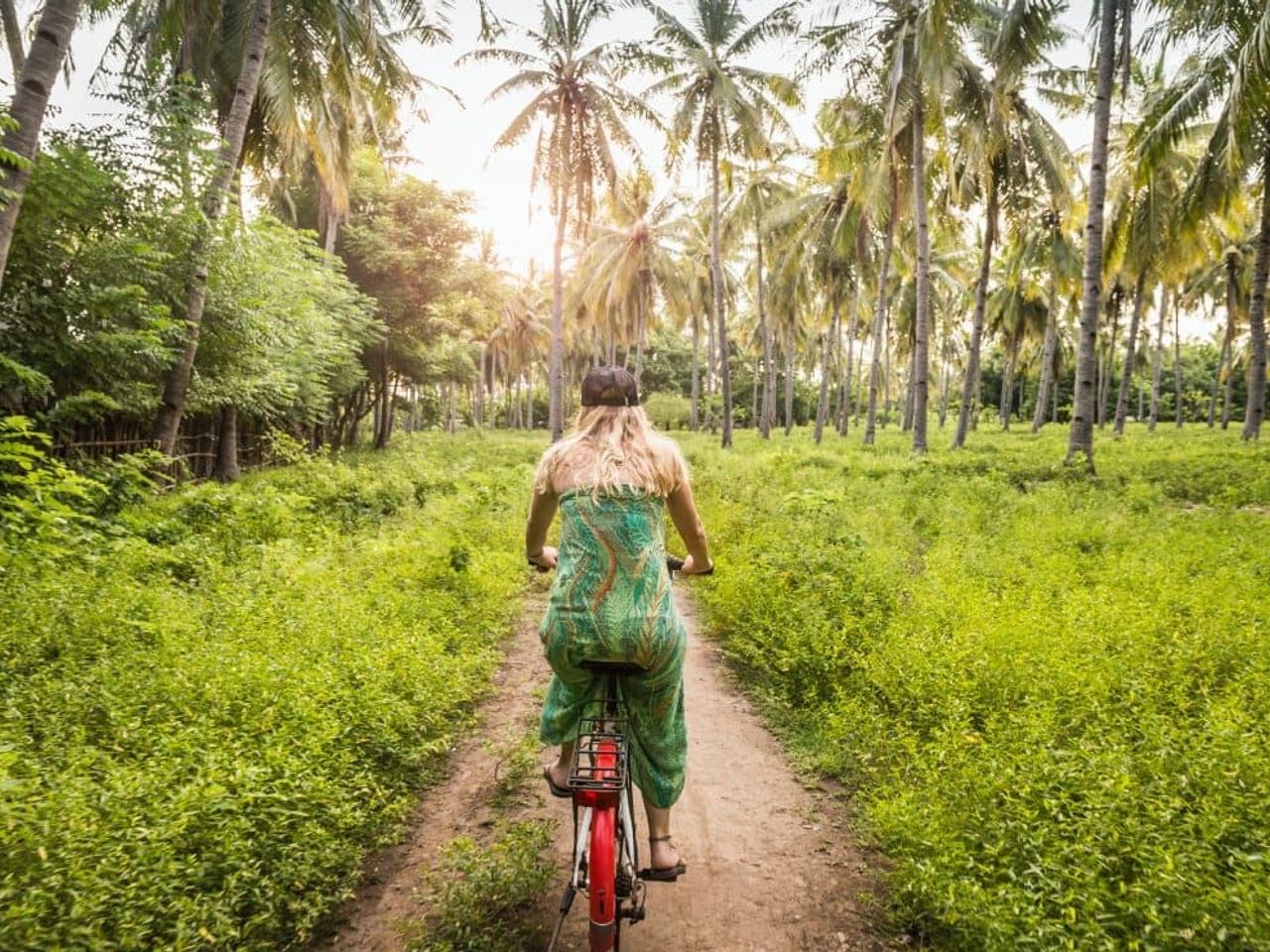
There used to be a very clear script for how vacations worked. You saved up your leave for months. You booked flights to somewhere far and significant. You spent two weeks covering as much ground as possible, returned home exhausted and slightly behind on laundry, and then spent the next eleven months looking at the photos and talking about how you really needed another holiday.
That script is being rewritten — quietly, decisively, and by a lot of people all at once.
Indian travellers are increasingly choosing four mini-breaks over one long holiday, and Indian spending on domestic tourism has crossed ₹2.3 lakh crores. Digital travel platforms are reporting that young Indian travellers now prefer shorter and more frequent trips, treating travel as a regular and experience-focused part of everyday life rather than an annual event. This is not just a budget decision or a pandemic hangover. It is a genuine shift in what people want from travel — and from time itself.
The mini trip has arrived. And it turns out it may have been the better format all along.
What Is a Mini Trip, Exactly?
The term gets used loosely, so it is worth being precise. A mini trip — sometimes called a micro-cation in travel industry circles — is broadly defined as a leisure trip lasting four nights or fewer, taken more frequently across the year rather than saved up into one extended annual break. These brief escapes offer a flexible way to travel while balancing work, budgets, and personal commitments, allowing travellers to visit multiple destinations throughout the year rather than saving everything for a single extended vacation.
In the Indian context, a mini trip typically means a two to four day getaway built around a long weekend, a well-placed leave day, or simply a weekend when enough people in your crew are actually free at the same time. It might mean a road trip to a hill station a few hours away, a single overnight in a city you have been meaning to properly explore, or three days at a beach before the crowds arrive. The defining features are brevity, intentionality, and — increasingly — frequency.
The shift is significant because it changes the entire relationship between ordinary life and travel. Instead of a once-a-year escape from everything, travel becomes something woven into the fabric of the year. Four or five meaningful short trips, distributed across different months, have a very different effect on your wellbeing and your sense of aliveness than one big vacation bookended by months of waiting.
The Science Behind Why Shorter, More Frequent Trips Actually Work Better
This is not just a lifestyle trend backed by vibes. The case for frequent short vacations over infrequent long ones is increasingly supported by research. Recent studies suggest that frequent short vacations are more effective than infrequent longer breaks in sustaining wellbeing, and that regular vacations facilitate recovery and enhance performance by reducing stress more consistently over time.
The mechanism is intuitive. A two-week holiday is powerful, but its benefits tend to fade within two to four weeks of returning to normal life. A series of shorter trips, distributed across the year, keeps the recovery cycle moving. There is always something ahead to look forward to.
There is also something to be said for the quality of attention a short trip demands. When you only have three days somewhere, you cannot afford to spend the first day recovering from travel fatigue and the second finding your feet. You arrive ready to be present. The constraints of time, paradoxically, make you pay closer attention to everything — the food you eat, the conversations you have, the landscape you move through. A long vacation can afford inattention. A mini trip cannot, and that limitation turns out to be one of its greatest qualities.
Why This Trend Is Exploding in India Right Now
The mini trip is not new, but the scale at which it is being embraced in India in 2026 is unprecedented, and several converging forces explain why.
Infrastructure has been a key enabler. Short one-to-three day micro-cations are booming in India, thanks to better roads and new airports that are making previously inaccessible destinations reachable in a matter of hours. New expressways and airport expansions are decentralising travel demand, making heritage towns, hill stations, and coastal regions accessible for short domestic trips. The Chandigarh to Kasol drive that once felt like a commitment is now a relaxed three-hour journey. The Mumbai to Mahabaleshwar road no longer loses two hours to congestion before it even leaves the suburbs.
Remote work flexibility has played a significant role. Even where organizations have returned to office culture, the blurring of work-life boundaries has made it more socially acceptable to take a Friday off, extend a long weekend, and build a three-day trip around it. Limited vacation time, remote work schedules, and increasing burnout have pushed travellers to seek frequent short breaks instead of long holidays. Almost everyone can find three days if they plan for it.
The generational dimension. For Gen Z travellers in India, trips are increasingly about what they want to do rather than where they want to go — with 56 percent driven by exploring different cultures and 36 percent motivated by outdoor activities. This experience-first orientation is perfectly suited to the mini trip format. Sometimes three days in a place you have never been, approached with genuine curiosity, does more for you than a fortnight of ticking boxes.
The Old Vacation Model Was Actually Quite Fragile
The once-a-year model was, in many ways, a response to how difficult it was to travel. Planning a long trip took weeks. Booking required phone calls, travel agents, and thick guidebooks. Flying anywhere significant meant significant cost and commitment. You amortized the planning effort over a long trip because short trips simply were not worth the infrastructure overhead.
Almost none of those constraints exist anymore. Indians are among Asia's most enthusiastic adopters of AI for travel planning. Routes that would have required a travel agent can now be built in twenty minutes. Group coordination, cost-splitting, and ride logistics that used to take weeks of back-and-forth can now happen in an afternoon on SyncTrip. The infrastructure overhead of planning a short trip has collapsed.
What remains of the old model is largely cultural inertia. The mini trip is what you get when you remove constraints and let people optimize for what they actually want: regular novelty, genuine recovery, and experiences worth having more than once a year.
What Makes a Mini Trip Actually Good
Not every short trip is a good short trip. The format has specific failure modes, and the groups that consistently have great mini trips understand them.
- Don't compress a long vacation: The biggest mistake is trying to see everything. You cannot do the overnight bus journey, the full-day trek, and the long heritage walk in a two-day window without arriving home exhausted. Organize around one or two anchoring experiences.
- Transit time matters: For a three-day trip, every hour of transit is a meaningful percentage of your total time. The best mini trip destinations deliver their best experiences within an hour or two of arrival.
- Accommodation is key: On a two-night mini trip, a bad stay is a quarter of your entire experience. Spending a little more on where you sleep proportionally improves the entire trip.
How to Plan a Mini Trip Fast (Without the Group Chat Chaos)
The great promise of the mini trip is spontaneity and frequency. The great threat is the three-week planning conversation that never resolves into an actual booking. Here is how to move fast and still get it right.
Decide on a format before a destination. Are we doing a road trip, a beach stay, a mountain weekend, or a city escape? SyncTrip's voting feature is ideal for this: give the group two or three format options and let them vote within a day.
Set a budget ceiling first. Most mini trip plans stall on the gap between what people want and what they are willing to spend. Agree on a rough per-person budget before anyone starts researching options.
Book something within 24 hours of deciding. The window between "we're doing this" and the plan evaporating into the group chat is very short. Book at least the accommodation immediately. Popular spots fill up fast, so booking at least 30 days ahead for long weekends is strongly recommended.
Plan for one thing, leave room for everything else. Pick one confirmed activity — a rafting booking in Rishikesh, a safari slot at Kabini — and let the rest of the itinerary breathe around it.
Use SyncTrip to handle logistics. Coordinating rides, tracking who paid what, splitting costs, and sharing locations makes group travel feel like work. SyncTrip centralizes all of it.
Mini Trip Ideas Worth Building Plans Around Right Now
The 2026 calendar is unusually generous with short break opportunities. Here is how to use them.
- The Good Friday Weekend (Apr 3–5): A clean three-day break with no leave required. Ideal for a hill station trip like Kasol, Coorg, Nandi Hills, or the Konkan coast.
- Buddha Purnima (May 1–3): Zero-leave three-day break. Embrace the heat (Rajasthan after dark) or escape it (Auli, Chopta, Himachal).
- Independence Day (Aug 15–17): Falls on a Friday-to-Sunday. Perfect for the lush green Konkan and Goa coasts or dramatic Western Ghats waterfalls.
- Gandhi Jayanti (Oct 2–4): Opens a three-day October window with the best travel weather of the entire year. Rajasthan or the Northeast are electric.
The Mindset Shift That Changes Everything
When travel is reserved for one annual event, your ordinary environment tends to feel like a holding pattern. When you travel four or five times a year, in short bursts, the next trip is always close enough to be real and immediate. You are someone who travels regularly, not someone who is waiting to travel.
You do not need two weeks and a long-haul flight to live like a traveller. You need a few days, a crew that is actually going to commit to the plan, and a way to handle the logistics that does not eat up all the energy the trip was supposed to restore.