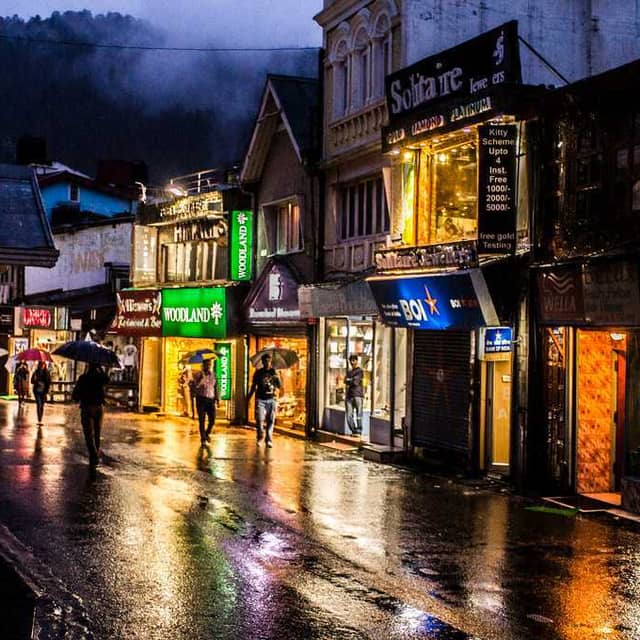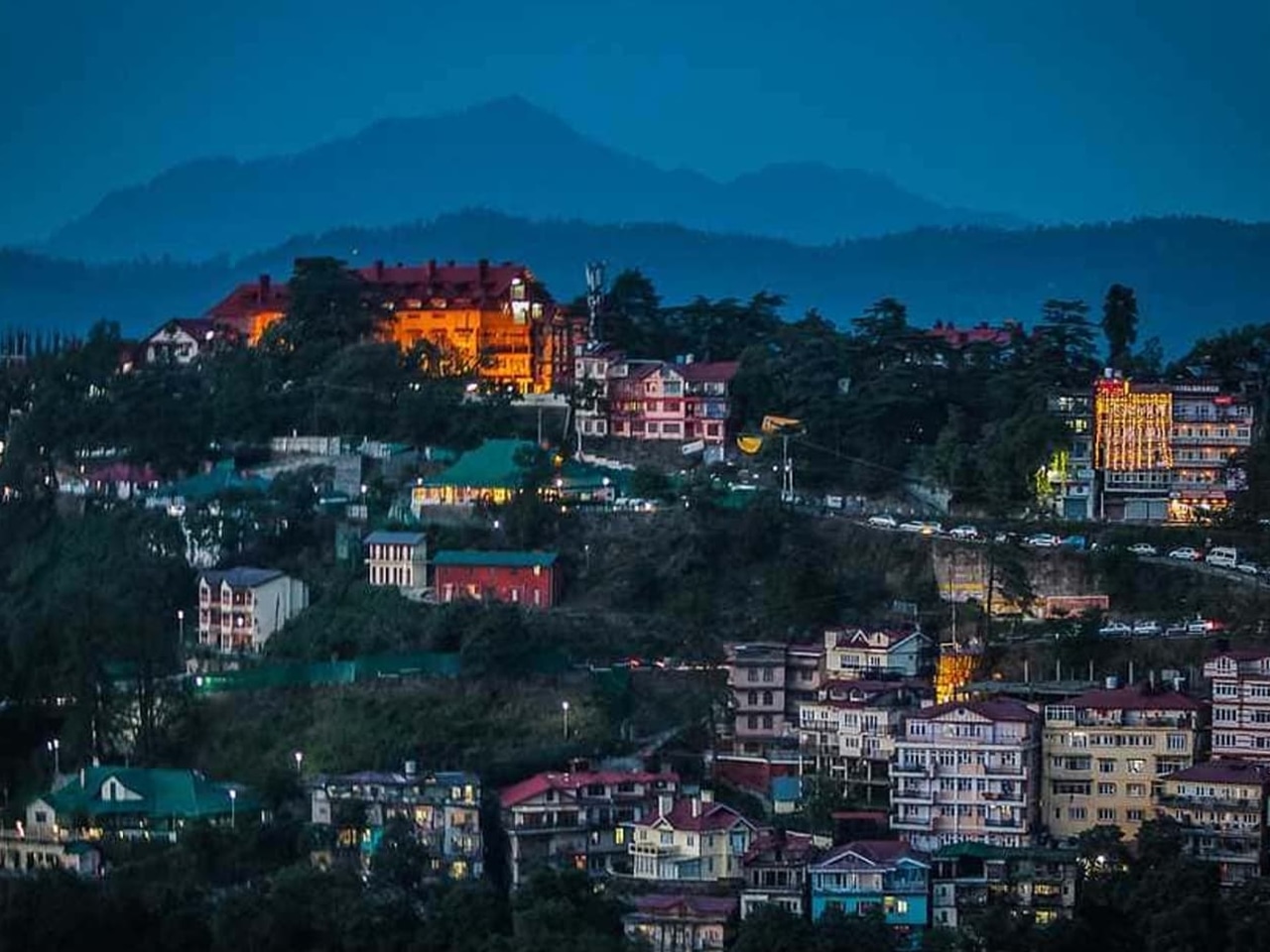
Shimla is more than just a popular hill station — it is an experience shaped by misty mornings, colonial architecture, winding mountain roads, and a pace of life that feels refreshingly slow. Tucked away in the Himalayas, this charming destination has been a favourite among travellers for decades.
If you’re planning a trip to Shimla, understanding the practical side of travel here can make a significant difference. From choosing the right season to navigating its unique geography, a little preparation ensures that your trip is not just smooth, but truly memorable.
Why Shimla is One of the Most Popular Hill Stations in India
Shimla’s appeal lies in its accessibility and timeless charm. Located within driving distance of major cities like Delhi and Chandigarh, it has become one of the most visited hill stations in North India.
What sets Shimla apart is its blend of natural beauty and colonial heritage. From British-era buildings to pine-covered hills, the town offers a balance of sightseeing, relaxation, and cultural exploration.
Best Time to Visit Shimla
One of the most important things to know before planning a trip is that your experience will vary greatly depending on the time of year.
Summer (March to June): Pleasant weather, ideal for sightseeing, but crowded.
Monsoon (July to September): Lush greenery and fewer tourists, but frequent rain.
Winter (October to February): Cold weather and snowfall, perfect for a magical experience.
How to Reach Shimla
A road trip from Delhi or Chandigarh is one of the most popular ways to reach Shimla, offering scenic mountain views.
The Kalka–Shimla toy train is a unique experience, passing through tunnels and breathtaking landscapes.
Flights are available to Jubbarhatti Airport, though they are limited and weather-dependent.
Understanding Shimla’s Geography
Shimla is built across multiple hills, making walking an essential part of exploring the town. Areas like Mall Road are vehicle-free, connected by slopes and staircases.
Choosing centrally located accommodation can save both time and effort during your stay.
Where to Stay in Shimla
From budget hotels to luxury resorts, Shimla offers a wide range of options.
Staying near Mall Road provides convenience, while areas like Mashobra and Kufri offer peaceful surroundings and scenic views.
Top Attractions in Shimla
The Ridge offers panoramic views and is a central gathering spot. Nearby, Christ Church reflects the town’s colonial past.
Jakhoo Temple, located at the highest point, provides both spiritual calm and stunning views.
Kufri is a must-visit, especially in winter for snow activities.
Food and Local Flavors
Shimla’s food scene combines Himachali cuisine with North Indian favorites.
Try local dishes like Siddu and Madra while enjoying cozy cafes along Mall Road.
Budgeting Your Trip
Your budget depends on the season and travel style. Peak seasons bring higher costs, so advance booking is recommended.
Walking helps save transport costs, though taxis are useful for nearby trips.
Common Mistakes to Avoid
Many travelers underestimate the physical effort required due to steep roads. Comfortable footwear is essential.
Traffic during weekends can cause delays, so plan early travel times.
Weather changes quickly in the hills, so always check forecasts.
A Different Way to Experience Shimla
Shimla is best enjoyed at a slow pace. Quiet walks, scenic viewpoints, and relaxing at cafes often create the most memorable moments.
Final Thoughts
Shimla is not just a destination — it’s a refreshing escape from everyday life. With the right planning, your trip can become a meaningful and unforgettable experience.